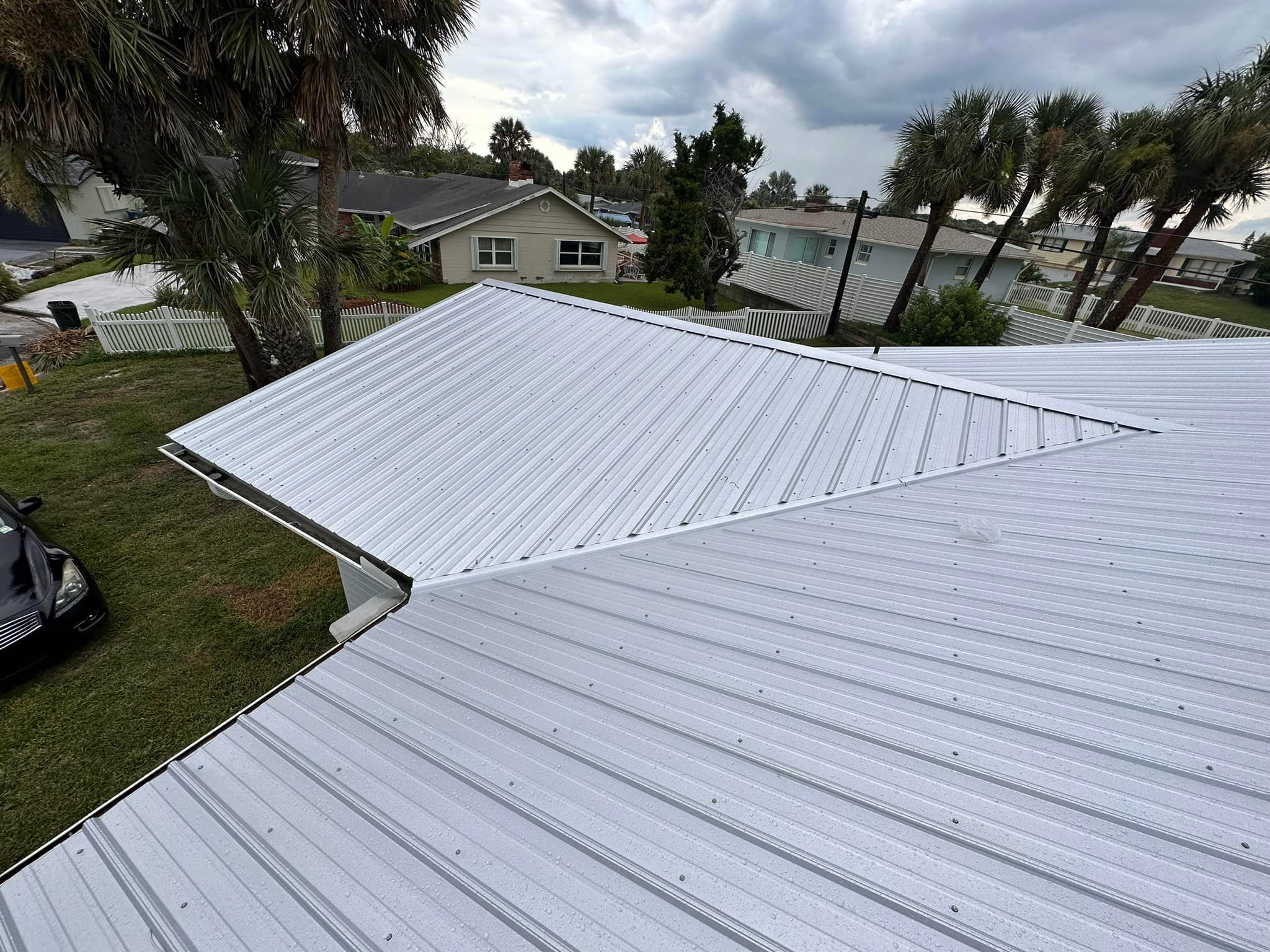
Seasonal Roof Care: Preparing Your Roof for Summer and Winter Challenges May 03, 2026
Summer's blistering heat can take a toll on your roof. As temperatures soar, roofing materials may expand, leading to small but significant structural changes. One important step is to inspect your roof for any signs of damage from the previous season. Look for cracked, curled, or missing shingles that might have occurred due to winter snow and ice. These issues, if left untreated, can worsen under the intense heat of summer.
Additionally, ensure your roof's ventilation system is functioning optimally. Proper ventilation reduces heat buildup in the attic, which helps keep your home cooler and lowers energy costs. It also prevents moisture accumulation, which can lead to mold growth—an often-overlooked aspect of summer roof care. Best Buy Roofing recommends conducting a professional inspection to assess the state of your roof's ventilation and make necessary adjustments or installations.
Debris buildup can be another summer hazard. Leaves, twigs, and other debris collected in gutters or on the roof can hinder proper water flow during summer storms, increasing the risk of water damage. Regularly cleaning your gutters and keeping roof surfaces clear of debris ensures your roof can efficiently handle rainfall without causing issues.
As autumn ushers in winter's chill, new considerations come into play. Winter is notorious for its harsh elements; thus, early preparation is key. Start by looking for any loose or damaged shingles that could allow water infiltration during snowmelt. Waterproofing your roof is an essential step. Consider applying a sealant to protect against ice dam formations, which can cause severe insulation and leakage problems.
Ice dams form when heat escapes from the attic, melting the snow on the roof. The melted snow refreezes at the edges, trapping more water behind it. By addressing insulation issues in the attic, you can significantly reduce the likelihood of ice dam formations. Best Buy Roofing offers solutions such as adding or upgrading attic insulation to maintain steady temperatures and prevent heat loss.
Snow load is another important factor. Depending on your roof's design and material, there might be a limit to the amount of snow it can safely support. Clear your roof periodically or consult with a professional to avoid overburdening your roofing structure. Installing snow guards can also distribute the snow load more evenly, protecting critical areas and reducing the risk of damage.
In conclusion, consistent seasonal roof care can protect your home from the internal and external stresses that summer and winter impose. By preparing in advance and considering professional services, you can ensure that your roof remains in top condition throughout the year. Partner with Best Buy Roofing to schedule a comprehensive inspection and experience peace of mind, knowing your roof can handle whatever nature throws its way. From ventilation checks to winter-proofing solutions, proactive maintenance is the foundation for a durable and reliable roofing system.
/filters:no_upscale()/filters:format(webp)/media/813c71c5-1b7e-4251-9835-2b65737ee8ab.jpeg)