The Ultimate Guide to Choosing the Right Roofing Material for Your Home Feb 03, 2026
Understanding Your Options
The first step in choosing the right roofing material is understanding the options available to you. Common choices include asphalt shingles, metal roofing, wood shakes, clay tiles, and slate. Each material boasts unique characteristics suitable for different climates, architectural styles, and budgets.
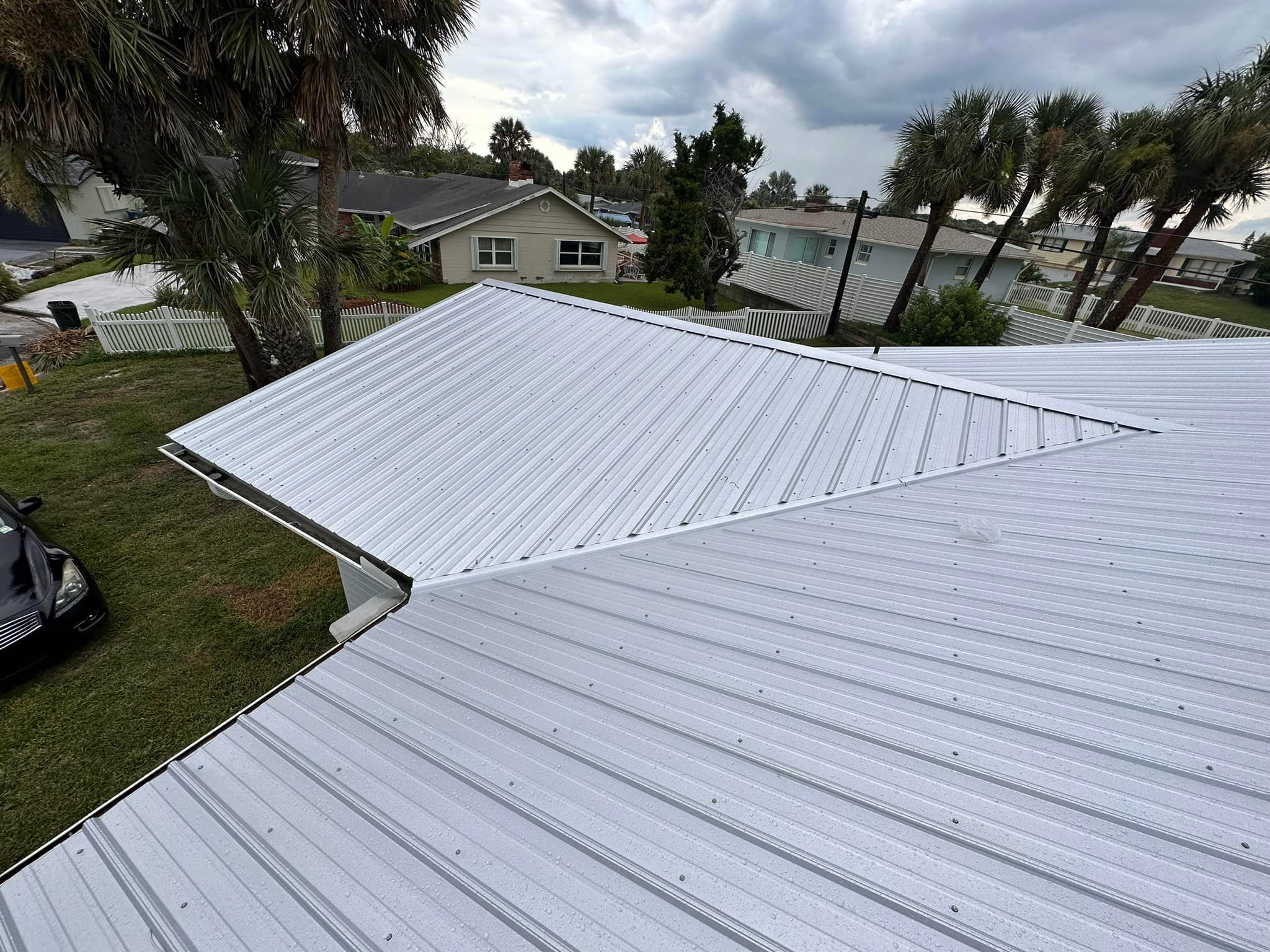
For example, asphalt shingles are the most popular roofing material due to their affordability and ease of installation. They are available in a variety of colors and styles, making them a versatile choice for any home design. On the other hand, metal roofing is gaining popularity for its durability and energy efficiency, reflecting sunlight to keep homes cooler in warmer climates.
Climate Considerations
One of the most important factors to consider when selecting roofing materials is the local climate. Homeowners in regions with heavy rainfall or snowfall should consider materials like metal or slate, which are more durable and resistant to weather-related damage. Conversely, in areas prone to wildfires, tiles and metal roofing are often recommended due to their fire-resistant properties.
Cost and Longevity
Budget plays a crucial role in the decision-making process. While it might be tempting to opt for the cheapest option, it's important to consider the long-term costs associated with maintenance and repairs. Metal and slate tend to have higher upfront costs but can last significantly longer than more affordable options like asphalt shingles. Balancing initial costs with longevity and potential savings on maintenance will help you make a cost-effective decision.
Aesthetic Appeal
The appearance of your chosen material should complement your home's architectural style. Asphalt shingles provide a classic look that suits many traditional and modern homes. In contrast, clay tiles can offer an appealing, rustic aesthetic ideal for Mediterranean or Spanish-style homes. If you prefer a natural look, wood shakes bring a warm, organic feel but require regular maintenance to prevent rot and insect infestation.
Environmental Impact
For eco-conscious homeowners, considering the environmental impact of your roofing material is important. Metal roofing, for instance, is recyclable and often made from recycled materials. Cool roofs, which reflect more sunlight and absorb less heat, can also contribute to energy efficiency and reduced cooling costs. Exploring sustainable roofing options can help reduce your carbon footprint while providing the protection you need.
Consulting with a Professional
With so many variables to consider, seeking advice from a professional roofing contractor like Best Buy Roofing can be invaluable. Experienced professionals can offer insights into the latest trends and technologies in roofing materials, ensuring you choose a product that meets your needs and adheres to industry standards. They can also provide precise installation services, ensuring your new roof is both functional and visually appealing.
In conclusion, selecting the right roofing material involves balancing aesthetic preferences, functional requirements, and budgetary constraints. By taking into account climate conditions, long-term costs, and environmental impact, and consulting experts, you can make a well-informed decision that enhances both the curb appeal and performance of your home. Make the smart choice with Best Buy Roofing to secure a high-quality roof that stands the test of time.
/filters:no_upscale()/filters:format(webp)/media/813c71c5-1b7e-4251-9835-2b65737ee8ab.jpeg)